Nutrition Science Perspectives
Understanding Body Weight Naturally: An Educational Exploration of How Our Bodies Maintain Energy Balance
Educational content only. No medical services. No promises of outcomes.
Introduction to Natural Nutrition
This educational resource provides evidence-based insights into how nutrition science explains body weight, energy balance, and the natural processes that influence our physical composition. Our approach is purely informational, grounded in established nutritional principles and British health standards.
The science of nutrition examines how different foods and nutrients interact with our bodies, how energy is processed and utilised, and the various factors that influence body weight naturally. This exploration helps us understand the complexity of human metabolism and the interconnected systems that maintain our health.
Throughout this resource, we present scientific concepts without personalised recommendations, as individual circumstances vary significantly. Our mission is to illuminate understanding, not to prescribe individual dietary approaches.
Energy Balance Fundamentals
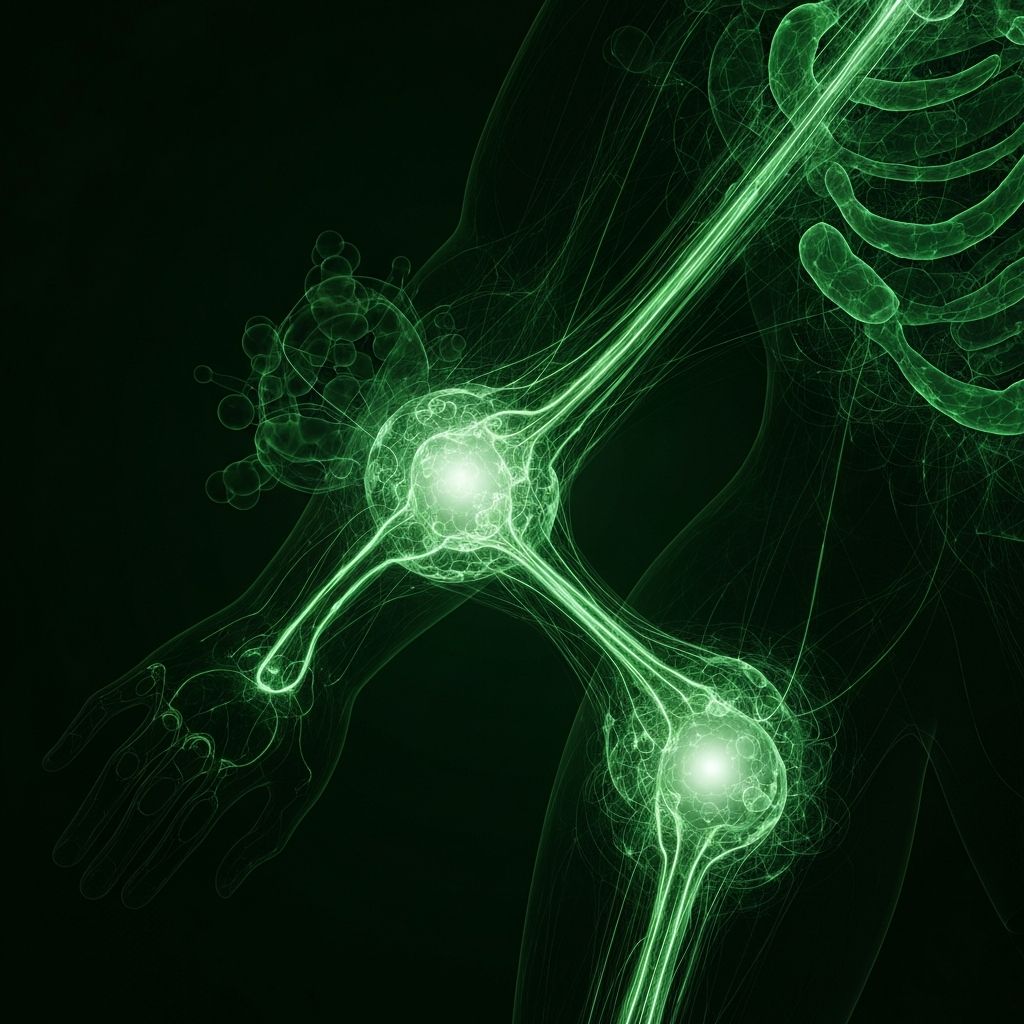
At the core of nutrition science lies the concept of energy balance—the relationship between energy consumed through food and energy expended through bodily functions and movement. This fundamental principle forms the foundation for understanding how body weight is regulated naturally.
The human body utilises energy for three main purposes: basal metabolic rate (the energy required for essential functions at rest), thermic effect of food (energy used to digest and process nutrients), and physical activity thermogenesis (energy expended during movement).
When these energy inputs and outputs align, body weight remains relatively stable. When they differ, changes occur naturally over time. This process is far more complex than simple arithmetic, involving hormonal regulation, metabolic adaptation, and numerous individual factors that influence how the body processes and stores energy.
Role of Whole Foods
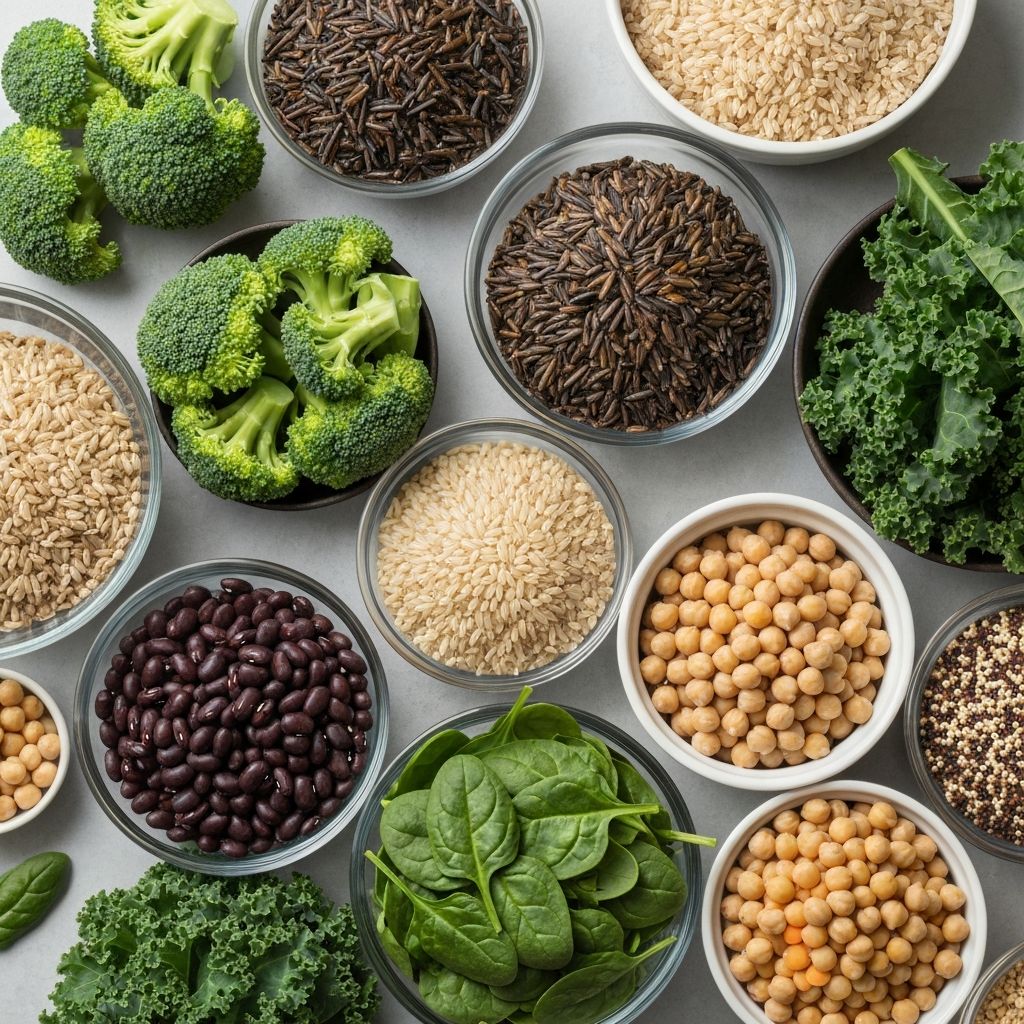
Whole foods—those minimally processed and closest to their natural state—play a central role in nutrition science. These foods provide not just calories, but a complex array of nutrients that our bodies require for optimal functioning.
Vegetables, fruits, whole grains, legumes, nuts, and seeds contain essential macronutrients (proteins, fats, and carbohydrates) alongside micronutrients (vitamins and minerals). Beyond basic nutrition, whole foods contain phytochemicals and other bioactive compounds that support various physiological processes.
The structural properties of whole foods—their fibre content, water content, and nutrient density—influence how our bodies process and respond to them. These characteristics affect satiety, nutrient absorption, and metabolic processes in ways that refined or heavily processed alternatives do not replicate.

Understanding Macronutrients
Macronutrients—proteins, carbohydrates, and fats—are the primary energy sources for the body and play distinct roles in biological processes. Each macronutrient contributes differently to satiety, metabolic processes, and overall bodily function.
Proteins support tissue repair and maintenance, facilitate enzymatic reactions, and influence satiety signals. Carbohydrates provide readily available energy and support brain function. Fats facilitate hormone production, support nutrient absorption, and provide concentrated energy.
The balance and quality of macronutrients consumed influence various metabolic processes. Whole food sources provide macronutrients alongside beneficial micronutrients and phytochemicals, distinguishing them from isolated or processed sources.

Movement in Everyday Life
Physical activity represents a significant component of total daily energy expenditure. Beyond structured exercise, everyday movement—walking, occupational activities, and leisure pursuits—contributes substantially to how our bodies utilise energy.
Movement influences not only immediate energy expenditure but also metabolic health, muscle composition, and various physiological processes. Regular movement supports cardiovascular function, bone health, mental well-being, and metabolic resilience.
Natural, sustainable approaches to daily movement emphasise consistency and enjoyment rather than extreme measures. Whether through walking, gardening, recreational activities, or occupational tasks, regular movement is a key factor in overall health and energy balance.

Influence of Rest and Hydration
Sleep and hydration represent often-overlooked factors in nutrition science's understanding of body weight and metabolic function. Sleep quality influences hormonal regulation, appetite signals, and metabolic processes. Inadequate sleep can dysregulate hunger and satiety hormones, affecting eating patterns and energy balance.
Hydration supports every physiological process, including metabolism, nutrient transport, and appetite regulation. Water is essential for digestion, nutrient absorption, and the body's ability to maintain optimal function. Dehydration can confound hunger and thirst signals, potentially affecting food intake patterns.
Emotional and psychological well-being also influences eating patterns and energy balance. Stress, mood, and mental state interact with metabolic processes and food choices in complex ways. A holistic understanding recognises these interconnected factors.
Featured Reading and Further Exploration
Our blog provides deeper exploration into specific aspects of nutrition science. Each article maintains our commitment to explaining scientific concepts while respecting individual variation and the complexity of human biology.
The Basics of Natural Energy Regulation
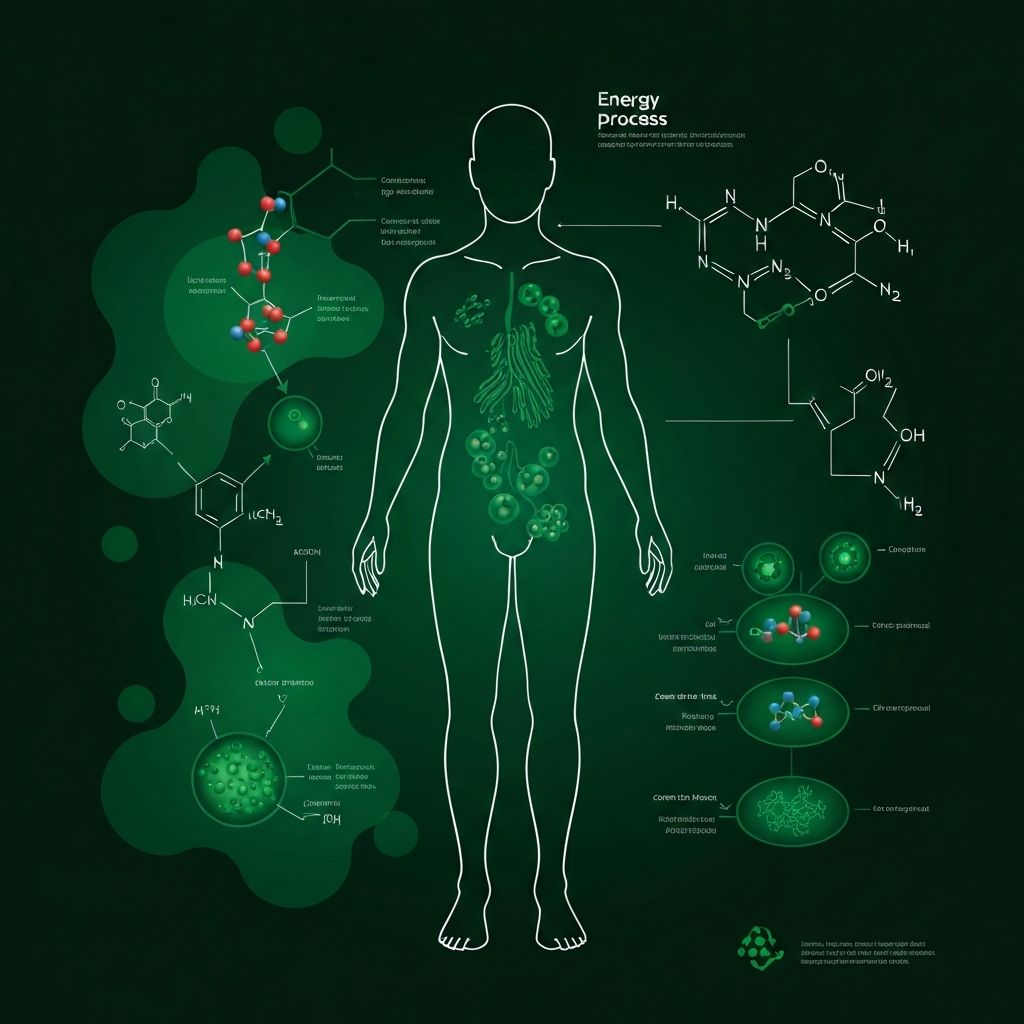
Explore how the body naturally regulates energy intake and expenditure through complex physiological mechanisms.
Read the Article
Whole Foods and Their Nutritional Impact
Examine the nutritional properties of whole foods and their role in supporting bodily functions.
Read the Article
Daily Habits and Their Effect on Body Weight
Discover how everyday choices in movement, rest, and nutrition interact to influence overall health.
Read the ArticleFrequently Asked Questions
What is the purpose of this resource?
RoyalHabitStudio provides educational content explaining the scientific principles behind nutrition, body weight, and health. This is purely informational content, not medical advice or personalised guidance.
Does this site provide personalised nutrition advice?
No. This site offers general educational information only. Individuals requiring personalised nutritional guidance should consult with qualified healthcare professionals or registered dietitians.
Are the principles discussed applicable to everyone?
Nutrition science provides general principles, but individual circumstances vary significantly. Factors including genetics, health conditions, medications, age, and lifestyle create substantial individual variation.
What are the sources for the information presented?
Our content draws from established nutrition science and British health organisation standards, including NHS guidance and recognised nutritional research.
How is this site funded?
RoyalHabitStudio is an independent educational resource with no commercial interests, product promotions, or hidden agendas. We are dedicated solely to educational exploration.
Exploring Further
We invite you to explore the scientific principles of nutrition with us. Whether you're seeking to understand the fundamentals of energy balance, the nutritional properties of whole foods, or the interconnected factors influencing body weight, this resource offers detailed, evidence-based explanations.
Delve into the details of specific topics through our blog articles, or discover detailed facts about the science underpinning natural nutrition. Learning about how our bodies work is a journey of understanding, not prescriptive change.